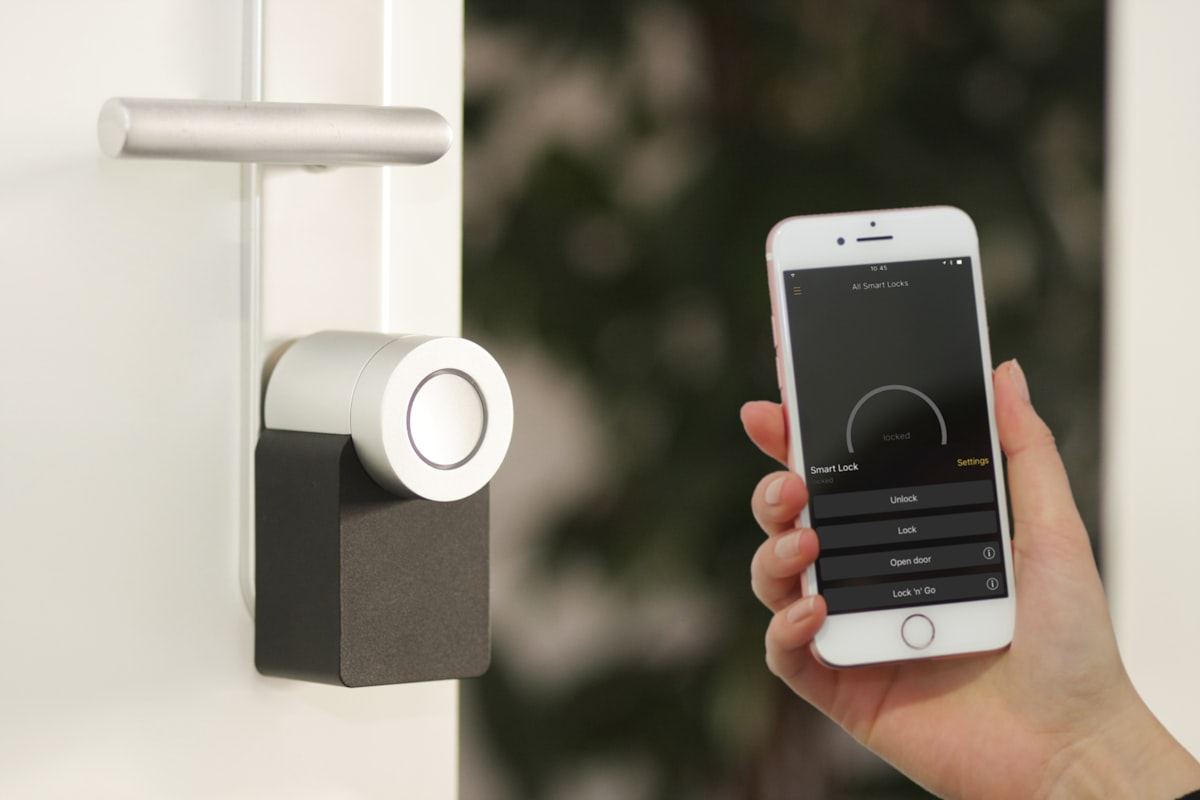
Home protection has entered a new era. Traditional alarm systems and mechanical locks are no longer the primary line of defense for modern households. In 2026, smart home security products are transforming the way homeowners monitor, protect, and manage their properties.
With artificial intelligence, automation, cloud computing, and mobile integration, today’s security systems are smarter, faster, and more proactive than ever before. This article explores how smart home security products are revolutionizing home protection and why they are becoming essential for modern living.
The Shift from Traditional to Smart Security
For decades, home security relied on basic alarm systems connected to landlines. These systems were reactive — they triggered an alarm only after a break-in occurred.
Smart home security products, however, are proactive. They:
- Detect suspicious activity in real time
- Send instant alerts to smartphones
- Allow remote monitoring from anywhere
- Integrate with other smart home devices
- Use AI to reduce false alarms
Instead of simply sounding a siren, smart systems provide actionable information.
Real-Time Monitoring from Anywhere
One of the biggest transformations in home protection is remote accessibility.
With smart home security products, homeowners can:
- View live camera feeds
- Lock or unlock doors remotely
- Receive instant motion alerts
- Communicate through two-way audio
- Check system status anytime
Whether you’re at work, traveling abroad, or running errands, your home is always within reach via your smartphone.
This constant connection dramatically reduces response time during emergencies.
AI-Powered Detection and Smarter Alerts
Artificial intelligence is at the core of modern security innovation.
Unlike traditional motion sensors, AI-powered systems can:
- Distinguish between humans, animals, and vehicles
- Recognize familiar faces
- Identify unusual patterns of movement
- Reduce false alarms
For example, instead of alerting you every time a tree branch moves, smart home security products notify you only when real human activity is detected.
This makes alerts more accurate and less overwhelming.
Automation That Prevents Crime
Automation is transforming home protection from reactive to preventive.
Smart routines can:
- Automatically lock doors at night
- Turn on outdoor lights when motion is detected
- Activate alarms if windows open during certain hours
- Simulate occupancy while you’re on vacation
These automated actions create a strong deterrent effect. Criminals are less likely to target homes that appear actively monitored and occupied.
Integrated Ecosystems for Layered Protection
Modern smart home security products work best when connected as part of a unified ecosystem.
Instead of operating independently, devices such as:
- Smart video doorbells
- Outdoor cameras
- Smart locks
- Entry sensors
- Alarm hubs
- Motion detectors
All communicate with each other.
For example:
If a motion sensor detects movement, it can trigger the floodlight camera to turn on, start recording, and send you a notification — all within seconds.
This layered protection significantly increases overall security effectiveness.
Enhanced Video Technology
Video quality has improved dramatically in recent years.
Today’s smart security cameras offer:
- 2K or 4K resolution
- Wide viewing angles
- Color night vision
- HDR imaging
- Smart zoom capabilities
Clearer footage not only helps identify intruders but also provides valuable evidence if needed.
Cloud storage and encrypted backups ensure recordings remain safe and accessible.
Stronger Cybersecurity Measures
As homes become more connected, digital protection becomes critical.
Manufacturers of smart home security products are now prioritizing:
- End-to-end encryption
- Two-factor authentication
- Secure cloud storage
- Regular firmware updates
- Advanced data protection protocols
Cybersecurity advancements ensure that while your home becomes smarter, it also remains protected from digital threats.
Cost-Effective Security Solutions
Another transformation is affordability.
Previously, professional security systems required:
- Expensive installation
- Long-term contracts
- High monthly fees
Today, many smart home security products offer:
- DIY installation
- Flexible subscription plans
- Self-monitoring options
- Scalable systems
Homeowners can start small and expand gradually, making advanced protection accessible to more families.
Greater Convenience for Everyday Life
Smart security is not only about protection — it’s about convenience.
Modern systems allow you to:
- Grant temporary access codes to guests
- Receive delivery notifications
- Monitor children arriving home from school
- Track entry and exit logs
- Control everything from one app
This combination of safety and convenience makes smart home security a lifestyle upgrade rather than just a protective measure.
Insurance and Property Value Benefits
Many insurance companies now offer discounts for homes equipped with monitored smart security systems.
Additionally, homes with integrated smart home security products often have higher resale appeal. Buyers increasingly value properties that already include modern security infrastructure.
Investing in smart security can therefore provide both immediate safety benefits and long-term financial advantages.
Environmental and Energy Efficiency Integration
Modern smart security systems often integrate with energy-saving devices.
For example:
- Lights turn off automatically when no motion is detected
- Smart locks reduce unnecessary heating or cooling loss
- Cameras operate efficiently with solar panels
This integration supports sustainability while enhancing protection.
Common Challenges and How Technology Solves Them
While smart home security products are transforming home protection, there are still challenges:
Wi-Fi Dependency
Solution: Mesh networks and stronger routers.
Power Outages
Solution: Battery backups and solar-powered devices.
Privacy Concerns
Solution: Encrypted storage and customizable privacy zones.
As technology advances, these issues continue to improve.
The Role of Smart Security in Modern Lifestyles
Modern lifestyles demand flexibility. Many people work remotely, travel frequently, or manage multiple properties.
Smart home security products support:
- Remote property management
- Airbnb host monitoring
- Elderly family member safety checks
- Vacation home surveillance
This flexibility makes smart security an essential part of modern living.
The Future of Smart Home Protection
The transformation is far from complete. In the coming years, we can expect:
- Predictive AI threat analysis
- Advanced facial and behavioral recognition
- Faster edge computing
- Deeper smart city integration
- Improved cybersecurity standards
Future smart home security products will not just detect crime — they will anticipate and prevent it.
Final Thoughts
Smart home security products are fundamentally transforming home protection. They provide real-time awareness, proactive automation, and intelligent detection that traditional systems simply cannot match.
From AI-powered cameras and smart locks to fully integrated ecosystems, modern security solutions offer a powerful combination of safety and convenience.
As technology continues to evolve, homeowners who embrace smart security are not only protecting their properties but also upgrading their lifestyles.
If you’re considering improving your home protection, now is the perfect time to explore how smart home security products can create a safer, smarter, and more connected living environment.
Siap lanjut ke artikel nomor 5?